


Wood effect tiles are the go to tile right now. The interior design industry is constantly evolving, and with the help of technology, it’s now more affordable for home-owners, contractors and designers alike to build and decorate homes and offices with imagination being their only limitation. Buyers have a wider range of options to choose from than ever before, as the tile industry has undergone a transformational change in recent years. Gone are the days when tiles were only available in limited colours, finishes and sizes. Advancements and innovation in manufacturing has translated into durable and economical tiles in infinite breathtaking designs. One of those is wood effect.
THE BENEFITS OF WOOD EFFECT TILES
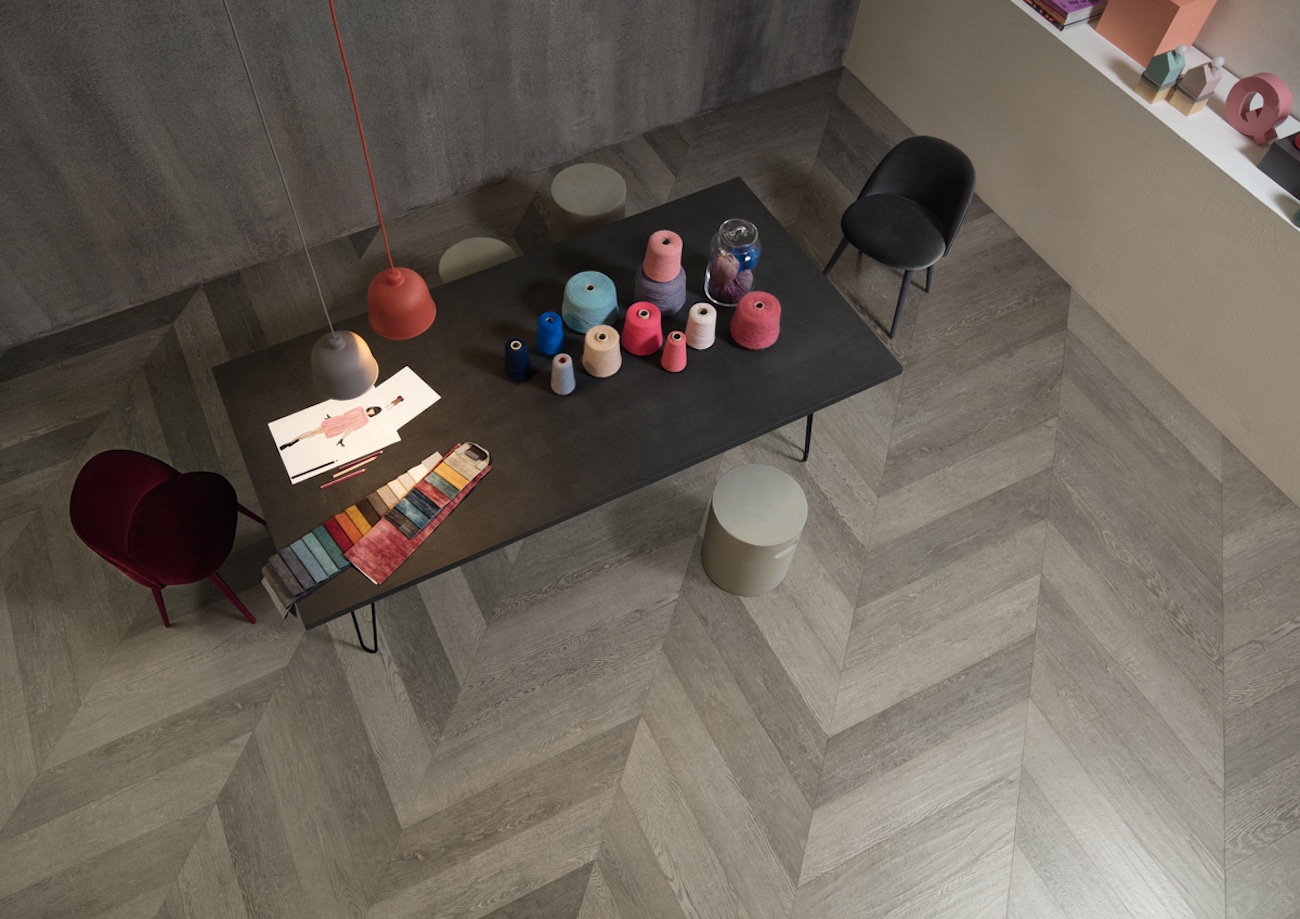
Wooden flooring has become a preference for interior designers, home-owners and contractors because of the timeless and elegant look it creates. However, the expensive and inherent characteristics of hardwood floors can have an impact on practicality. Wood effect floor tiles that provide an authentic wooden feel have been growing in popularity for a number years. Innovations and inventions in tile manufacturing such as digital imaging and ink-jet printing have changed the outlook towards the use of tiles. Now, porcelain and ceramic tiles are made to imitate natural look of wooden flooring in an economical and cost efficient way.
COST SAVING

A primary factor in the the decision making of shopping for flooring materials and products is its expense. The cost is undoubtedly a major consideration which plays a role in deciding which material to choose. Hardwood floors tend to be costly. Not only is real wood expensive, it is also coupled with the expense of installation. The industrial level production of ceramic and porcelain wooden effect tiles means that they are really cost effective.
As stated above, innovations like ink jet printing have ensured that wood effect tiles are available in a vast array of designs and shades. You will easily be able to buy a wood effect tile for any shades matching solid wood designs available in the market.
LONG LASTING
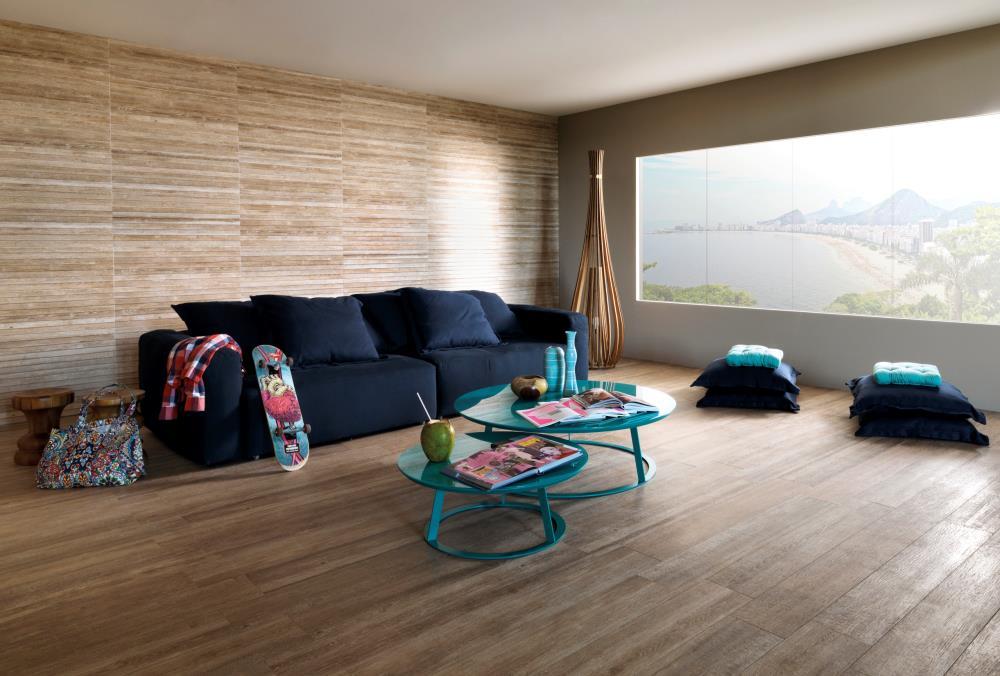
Wood effect tiles are highly resilient can last for decades. The tiles themselves won’t wear out and the wood design has proven timeless over history. On the other hand if not cared for properly, natural wood floors may demand regular refinishing and repair. This is primarily because wood is porous and requires surface treatment such as laquer or oil which becomes worn and patchy, requiring sanding and reapplying. Wood can also easily expand and contract in accordance with the change in climatic conditions. However, tiles have no such issues, requiring no sealing and can withstand change of seasons effortlessly. Cleaning wood also requires the utmost care and attention as it can sustain scratches and surface damage if the right cleaning products are not used. This is not an issue with tiles as a simple mop or brush can be sufficient to relieve the floor of dust and stains.
Wood effect tiles have a much lower porosity level than hardwood floors meaning that any liquid spilled on natural wooden floors is easily soaked in which causes damage to the material. Tiles however are a much easy to clean.
Natural wood expands in humid environments leading to cracks due to the wood adjusting in size. This effectivly detracts from the appearance. With wood effect tiles, you can sit in comfort knowing that they are durable and resilient enough to withstand spillages, high heels and heavy furniture while giving the natural look and feel of hard wood.
You’re aware if you’ve got pets that natural wooden boards scratch very easily. Even so much as pulling out a chair at a dining table can leave unsightly scuff marks. With wood effect tiles, you can forget about scratches. They are far more durable than real wood, and won’t succumb easily to claws or chair legs!
VERSATILITY
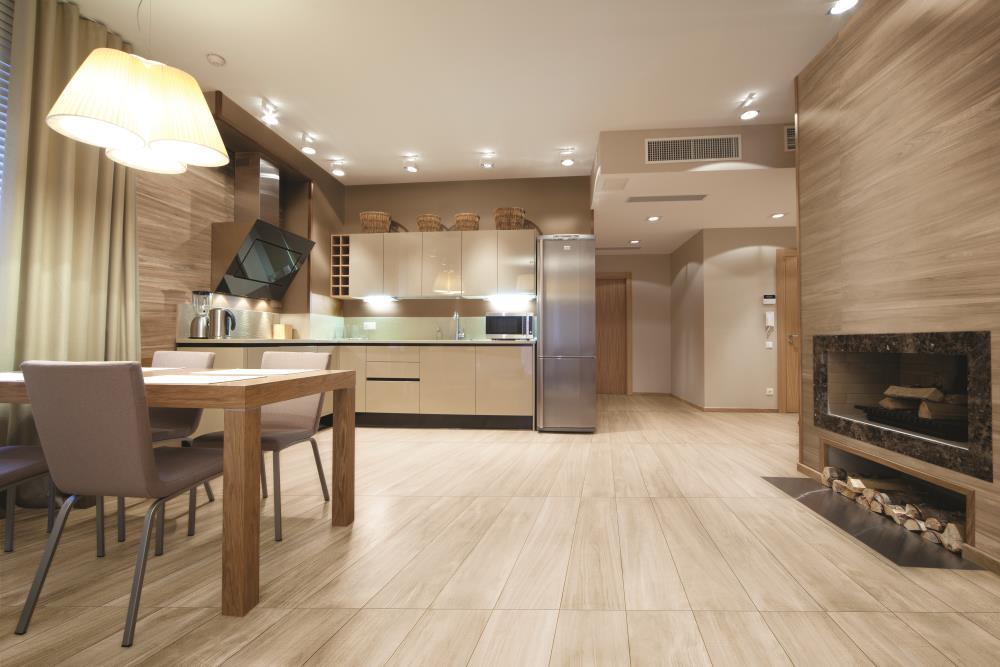 The customisation options of natural wood floors are fairly limited due to it being made up of wood directly taken from nature. Tiles use cutting edge technologies which are capable of manufacturing any customised design that can be created as a digital image. This has led to a huge range of attractive and unique designs available allowing you to choose an exclusive wood effect tiled floor that perfectly suites your design needs.
ECO FRIENDLY
 25 million trees are cut annually to feed the growing furniture market. This has clear repercussions on the health of our planet. Wood effect tiles have made a positive impact on the environment in that regard.
WALLS

Wood effect tiles aren’t only for use on floor spaces! You can carry the look onto your wall spaces, too, to tie the room together. Wood effect split face tiles are perfect for creating a captivating, textured feature wall in a bathroom, kitchen, living area or bedroom.